 Calling In is a process, one that begins with a conversation, and requires support and follow up for everyone involved.
When I first began exploring the world of consent activism, there was a different approach being taken. Calling Out seemed to be the only strategy that addressed dealing with someone whose behaviour had been harmful or problematic.
I’ve found problems with Calling Out: it isnt’t a conversation, it tends to be a one-sided declaration; it critiques the person, and does not offer hope for them to change their behaviour; it too often comes from such a place of anger and reactivity that the act itself is one I’ve found to be oppressive, and leads to compounding a cycle of trauma where no one gets to find healing.
I’ve experienced being included in circles that have wanted to call someone out, and wondered what that might be like to be on the receiving end of, how that could be internalised. Witnessing a person in community being Called Out, and watching the progression of interactions over several months, I’ve asked myself- did anything really change through this?
Calling In: A Way to Grow Together
“When I see problematic behaviour from someone who is connected to me, who is committed to some of the things I am, I want to believe that it’s possible for us to move through and beyond whatever mistake was committed”
~ Ngọc Loan Trần on Black Girl Dangerous
“Calling In” has been referred to as “a less disposable way of holding ourselves accountable”. It’s a means of recognising that we can all make mistakes, and inviting someone to do better. Calling In isn’t about making accusations or placing someone in the role of persecutor- not the person on the receiving end, nor the person offering the Call In.
Whereas Calling Out runs the risk of coming from a place of emotional reaction, Calling In has quite a different character. Calling In recognises that the majority of boundary crossings are accidental, “tragic expressions of unmet needs”. I’ve explored many approaches to Calling In- not all of which have been effective. So here, developed through some trial and error, is a concise guide on how to call someone in.
KNOW YOUR WHY
This is one of the most important things to get clear on. Why does this person matter to you? Why is this situation of significant to you? What is the end-goal you hope for by having this conversation with them?
CAN IT BE YOU?
Are you the right person to talk to them? What’s your personal relationship? Is the subject matter something that might trigger you? If you aren’t the right person, who might be able to support you, or to have the conversation on your behalf? Are you someone they’ll listen to? Most often these conversations are easier if we are not personally experiencing trauma as a result of the other person’s actions, or if we are a more neutral third party acting in a role of advocacy. Do not attempt to call someone in if you yourself are feeling traumatised by their actions. Do not attempt to Call In if you are feeling raw or triggered about the person or their actions or their effects on others. Reach out for support and ask someone else to have the conversation on your behalf.
WHAT ARE THE OBSTACLES?
What potential blocks might this person have to engaging in this conversation? What fears might you be carrying around this conversation? Could having this conversation created repercussions for others? If so, are they aware you’re having this conversation, and do you have their explicit informed consent?
FOCUS ON THE BEHAVIOUR
Get clear around what specific behaviour this person engaged in, rather than any assumptions, projections, or judgements around their motivations or personality. The more specific you can be about the behaviour and how the behaviour affected you and/or others, the more you’re going to be able to give this person feedback that they can learn and grow from.
HAVE THE CONVERSATION IN PERSON
I have found, from painful experience, that this is not something to ever do via email, text message, or phone call. So much of communication and understanding tone comes from being physically in one another’s presence. Invite them to have a conversation with you in person.
FIND YOUR ZEN
Breathe. Listen to calming music. Do whatever helps you to centre and focus before you dive into the conversation, and then:
- Start by sharing any fears or apprehensions you have around the conversation, and identifying anything that could be a potential obstacle.
- Then, share your hopes for the outcome of the conversation, and why you care enough to have this conversation with them.
- Once you’ve shared these elements, share the feedback about the specific behaviour.
Remember to focus on the actions, and the impact they had on others, rather than any assumptions or projections around their intent or motivation. Behaviour can be changed, and people are often open to changing their behaviour once they know the unintended effects they have had, but if it comes across that you are attacking who they are as a person, they are likely to grow defensive against you and your message.
If you can assume they did not intend malevolence, and can be clear in coming from a place of compassion, you may find yourself being more heard and understood in your Calling In.
 OFFER SPACE FOR CLARIFICATION QUESTIONS, ACTIVE LISTENING, AND SUPPORT
What we say may not always be heard as intended, so it’s a good idea to check for understanding. You can ask the other person to repeat back to you what they think they’ve heard, and invite them to ask any questions they need to for clarification. You may want to re-emphasize your why, and the hopes that you have of the growth and/or healing this conversation could lead to.
It’s hard to know ahead of time what any individual’s wounds and past traumas are. Endeavour to be ready to offer support for how the other person feels upon hearing your feedback- sometimes people can find themselves emotionally triggered when being called in. They might even get defensive or shut down. If this happens, you can offer them compassion and empathy, and invite them to seek support from their friends/family/community if they don’t want support from you.
INVITE THEM TO ENGAGE, INQUIRE ABOUT THEIR WHY
It can be tempting to let the conversation end here, but the most positive results I’ve seen from Calling In are when the invitation is repeatedly made to engage in dialogue about behaviour. This isn’t always easy- and remember that someone who has suffered as a consequence of another’s person may not be prepared to engage with them directly. However, if you are an unaffected party, you might be in a position to be able to support growth and transformation through engaging in a conversation as peers.
Asking someone whose behaviour is having unintended consequences what effect they’d like to have, and working to understand why they have behaved the way they have can create more space for compassion, and can further support them in growing and changing.
EMBRACE THE CLUNKINESS
Having Calling In conversations is not always smooth. I’ve found that sometimes, even when I follow all these steps, the other person is inevitably going to listen through their own lens. Sometimes people might be dealing with tremendous trauma of their own, or suffer for other conditions of mental stress- or they could have atypical neurology (and could even be completely unaware of the fact) that can make processing the conversation more challenging.This means that the conversations around Calling In can still get clunky, they can still get involved, and there can be a lot of feels. My advice? Embrace it. If the other person in the conversation is having a hard time listening or understanding that this is a Calling In rather than a Calling Out, then have patience, and seek a back up person who may be able to try the conversation fresh from a different angle.
A Note On Calling Out
I’ve learned that Calling Out has a time and a place. For example, if someone’s well-being is in immediate danger, it might be prudent. There are occasions where, if Calling In doesn’t work, it may be appropriate to Call Out. Calling Out is often a more publicly delivered message, where an entire community may ask for an individual to be accountable for their actions. It’s important to consider, before Calling Out, what the motivation for doing so is: do you wish the individual to learn and grow, or to be humiliated and ostracised? Or is there some other motive? As with Calling In, I recommend being incredibly clear as to why you personally are choosing to engage.
I’m inspired by all the work I see happening in consent culture activism around me, and hope that this can further support the amazing work being done by dedicated individuals and groups around the world. Thank you all for being part of this journey.
Further Reading:
Calling In: A Less Disposable Way to Hold Ourselves Accountable
Calling In: A Quick Guide to When And How
Consent Accidents and Consent Violations
Calling In
About the author:
Mel Mariposa is a relationship coach, and the author of the blog, Polysingleish. She is a queer, polyamorous relationship anarchist, and an advocate for consent culture. With over sixteen years of experience teaching and facilitating classes and workshops, she is also co-producer for the successful Erotica Electronica series in Vancouver, BC, and a co-founder of The Consent Crew. She holds a certification in Counselling for Intimacy in Relationships from the Vancouver College of Counsellor Training, and through her practice, Radical Relationship Coaching, she helps individuals discover new dimensions of their relationships to themselves, and the people in their lives.
www.radicalrelationshipcoaching.ca
www.polysingleish.ca


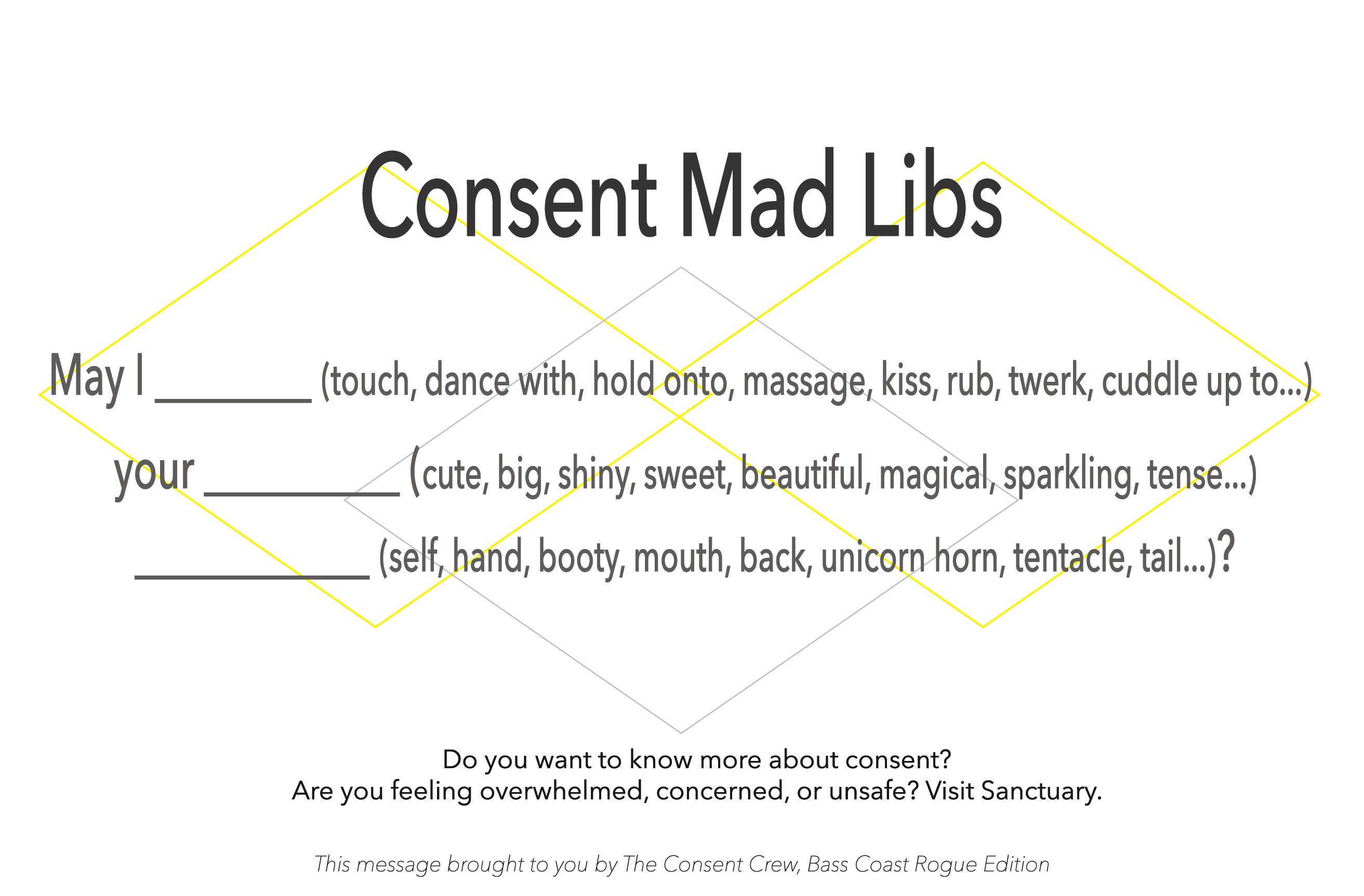



 The Consent Crew